Essential Vitamins Guide

Understanding the essential vitamins your body uses and where to find them naturally in everyday foods.

Fat-Soluble Vitamins

These vitamins are stored in body tissues and are found in foods containing fats.

Vitamin A

Vitamin A is essential for vision, skin integrity, and normal immune function. It exists in two forms: preformed vitamin A (retinol) found in animal products, and provitamin A (beta-carotene) found in colorful fruits and vegetables.

Natural sources: Sweet potatoes, carrots, spinach, kale, eggs, and liver.

Vitamin D

Often called the sunshine vitamin, Vitamin D is unique because your body can produce it when skin is exposed to sunlight. It plays a role in calcium absorption and bone maintenance.

Natural sources: Sunlight exposure, fatty fish (salmon, mackerel), egg yolks, and fortified foods.

Vitamin E

Vitamin E is an antioxidant that helps protect cells from oxidative stress. It supports normal skin condition and is found in many plant-based foods.

Natural sources: Almonds, sunflower seeds, spinach, avocados, and wheat germ oil.

Vitamin K

Vitamin K is essential for normal blood clotting and contributes to the maintenance of normal bones. It comes in two main forms: K1 from plants and K2 from fermented foods.

Natural sources: Leafy greens (kale, spinach, broccoli), fermented foods, and eggs.

Water-Soluble Vitamins

These vitamins dissolve in water and are not stored long-term, so regular intake through diet is important.

Vitamin C

Vitamin C is perhaps the most well-known vitamin. It acts as an antioxidant and contributes to normal collagen formation, immune function, and iron absorption.

Natural sources: Citrus fruits, strawberries, bell peppers, broccoli, and kiwi.

B Vitamins Complex

The B vitamin family includes eight distinct vitamins that work together to support energy metabolism, nervous system function, and cell formation. They are found in a wide variety of foods.

Natural sources: Whole grains, legumes, leafy greens, eggs, meat, fish, and dairy products.

Folate (B9)

Folate is especially important for cell division and DNA synthesis. It is particularly significant during pregnancy for normal fetal development.

Natural sources: Dark leafy greens, legumes, asparagus, Brussels sprouts, and citrus fruits.

Vitamin B12

Vitamin B12 is essential for nervous system function and red blood cell formation. It is primarily found in animal-based foods; people on plant-based diets often obtain it from fortified foods or supplements as advised by a healthcare professional.

Natural sources: Fish, meat, poultry, eggs, dairy products, and fortified plant milks.
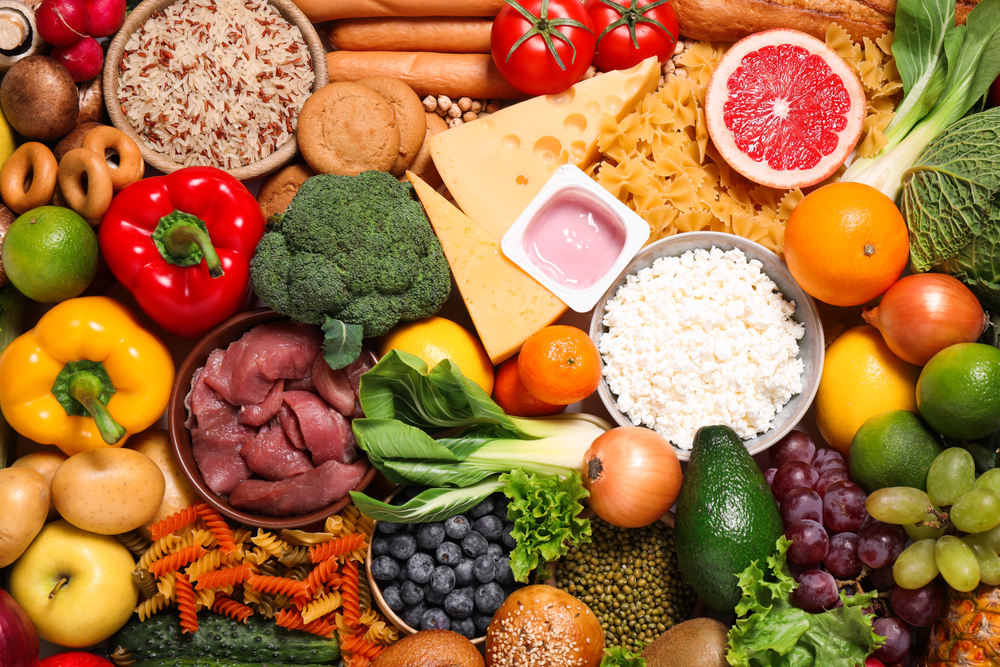
Assortment of natural ingredients containing essential vitamins

The Importance of Variety

No single food contains all the vitamins your body needs. That's why eating a diverse diet with plenty of fruits, vegetables, whole grains, and lean proteins is the foundation of good nutrition.

Different colored foods often indicate different nutrient profiles. By "eating the rainbow," you naturally increase your intake of various vitamins and minerals.

  • Orange and yellow foods are often rich in beta-carotene
  • Dark leafy greens provide folate and vitamin K
  • Red and purple foods contain unique antioxidants

All presented materials and practices are educational and informational in nature and are aimed at supporting general well-being. They do not constitute medical diagnosis, treatment, or recommendation. Before applying any practice, especially if you have chronic conditions, consult with a doctor.