Fruits
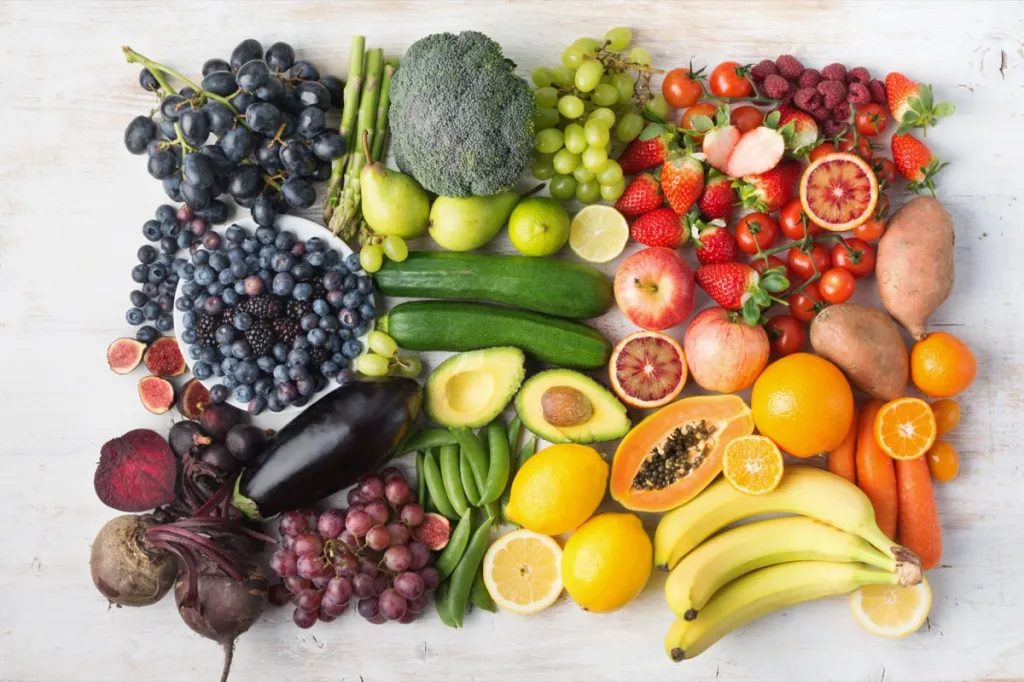
Rich in Vitamin C, folate, and various antioxidants. Citrus fruits, berries, and tropical fruits are excellent choices.
Discover which everyday foods are naturally rich in essential vitamins and how to incorporate them into your diet.
Different food groups offer unique vitamin profiles. Here are the main categories to focus on.
Rich in Vitamin C, folate, and various antioxidants. Citrus fruits, berries, and tropical fruits are excellent choices.
Leafy greens provide K, A, and folate. Orange vegetables are high in beta-carotene. Variety is essential.
Excellent sources of B vitamins, particularly B1, B2, B3, and B6. Choose unrefined grains when possible.
Provide vitamins A, D, B12, and riboflavin. Eggs are one of the few natural food sources of vitamin D.
Fatty fish like salmon and mackerel are rich natural sources of vitamin D and B12.
Excellent sources of vitamin E, B vitamins, and various minerals. Almonds and sunflower seeds are widely used examples.
These foods stand out for their exceptional nutrient density and versatility in everyday cooking.
Bell peppers, especially red ones, contain more vitamin C than oranges by weight. They also provide vitamin A and are low in calories, making them an excellent addition to any meal.
Dark leafy greens are nutrient-dense foods. They provide vitamins A, C, K, and folate, along with iron and calcium. Easy to add to smoothies, salads, or cooked dishes.
Fatty fish like salmon provides vitamin D, B12, and omega-3 fatty acids. A typical serving can contribute substantially to daily vitamin D intake for many people; individual needs vary.
One of the richest sources of beta-carotene, which converts to vitamin A in your body. Also provides vitamin C, potassium, and fiber.
Incorporating vitamin-rich foods into your daily routine doesn't have to be complicated. Small, consistent changes in your eating habits can make a meaningful difference over time.
Focus on adding variety rather than perfection. The goal is to enjoy a range of colorful, whole foods that naturally provide the nutrients your body uses every day.
All presented materials and practices are educational and informational in nature and are aimed at supporting general well-being. They do not constitute medical diagnosis, treatment, or recommendation. Before applying any practice, especially if you have chronic conditions, consult with a doctor.